
Looking back on our twelve years together, I realise there were other difficulties in our relationship that I struggled with.
Our intimacy and sex life were not what I had hoped they would be. There were times when I felt that her hobbies and personal interests took priority over our physical relationship, leaving me feeling rejected, frustrated and questioning where I fitted into her life.
Intimacy is about more than sex. It’s about feeling wanted, being close to one another, communicating openly and knowing that your needs and feelings matter to your partner. When that connection begins to fade, it can leave you feeling lonely, even when you’re in a relationship.
We also had differences around personal hygiene and physical intimacy that affected my comfort and attraction. These were difficult things to navigate, and I often found myself wondering how we had reached a point where something so personal had become another source of distance between us.
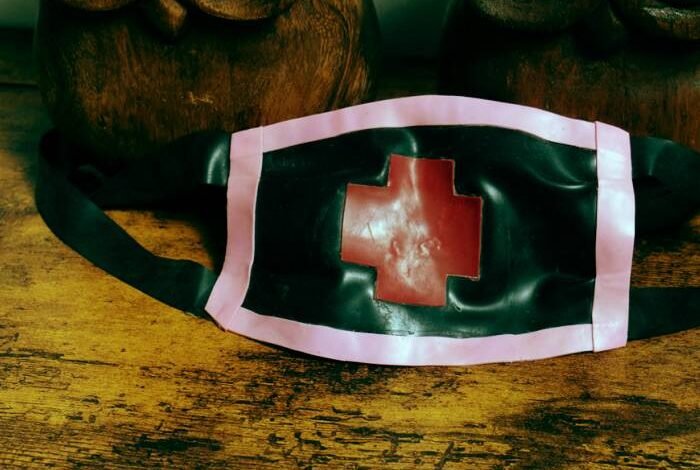
Our sexual interests weren’t entirely conventional either. She had an interest in BDSM, which was another aspect of our intimate life. But having particular interests or preferences doesn’t necessarily mean that two people are emotionally or physically connected in the ways they both need.
For me, the bigger issue was the feeling that our relationship wasn’t receiving the attention and communication I believed it needed.
When you have spent twelve years with someone, you build expectations about trust, closeness and how you will handle difficulties together. You believe that if something isn’t right, you can talk about it and try to understand each other.
That’s why what I later discovered on the swingers website was so difficult for me to reconcile with the relationship I thought we had.
I was left with questions about intimacy, honesty, communication and what our marriage had become.
I’m sharing this because relationship difficulties can be deeply personal, and men don’t always feel comfortable talking about them. We can feel rejected, embarrassed or ashamed to admit that our relationships are hurting us.
But these feelings deserve to be acknowledged, too.
Men need spaces where they can talk honestly about sex, intimacy, rejection and relationship breakdown without being mocked or judged.
That doesn’t mean blaming someone for everything that went wrong. It means being honest about our experiences, recognising how they affected us and understanding that our emotional well-being matters.
For me, these experiences became part of a much bigger period of heartbreak and grief. And they are part of why I believe we need to talk more openly about men’s mental health.